Professional Spider Control Services
Effective Spider Control & Prevention for homes and businesses in Victoria.
Eliminate Spiders with Professional Help
Are spiders becoming an unwelcome presence? We offer specialised spider control solutions tailored to your property. Our experienced team utilises the latest technology to eliminate infestations and prevent their return, ensuring a safe space for you and your loved ones.
Why Choose Our Services?
Victoria is home to various spider species, including the venomous Redback. We prioritise your safety by effectively removing dangerous spiders using eco-friendly practices that are safe for your family and pets.
Get Custom QuoteCommon Spider Species in Melbourne
Victoria is home to various spider species. While many are harmless, some like the Redback and White-tailed spider require professional management.
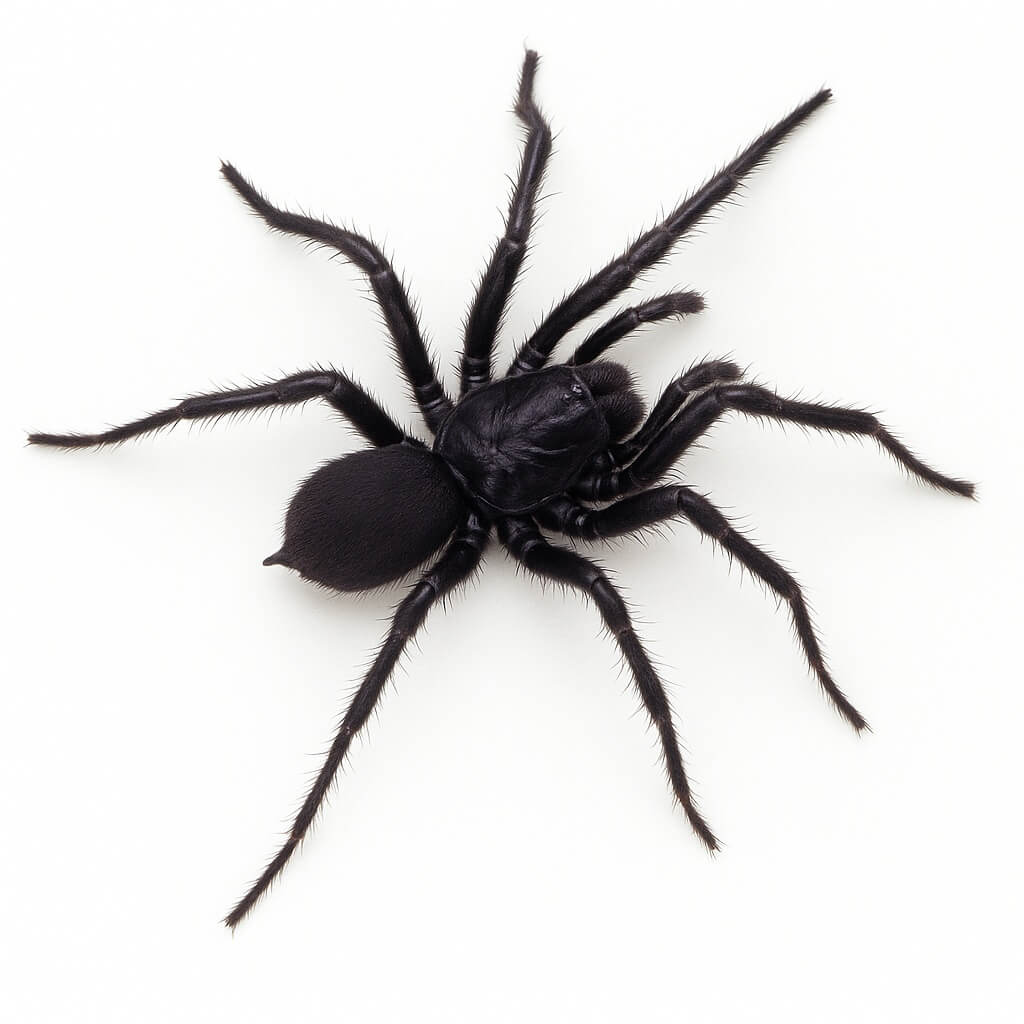
Funnel-Web Spider
(Atrax robustus)
- Appearance: Glossy, dark brown to black.
- Habitat: Moist, cool environments like gardens.
- Web: Funnel-shaped web.
- Danger Level: Highly venomous; seek immediate medical attention if bitten.
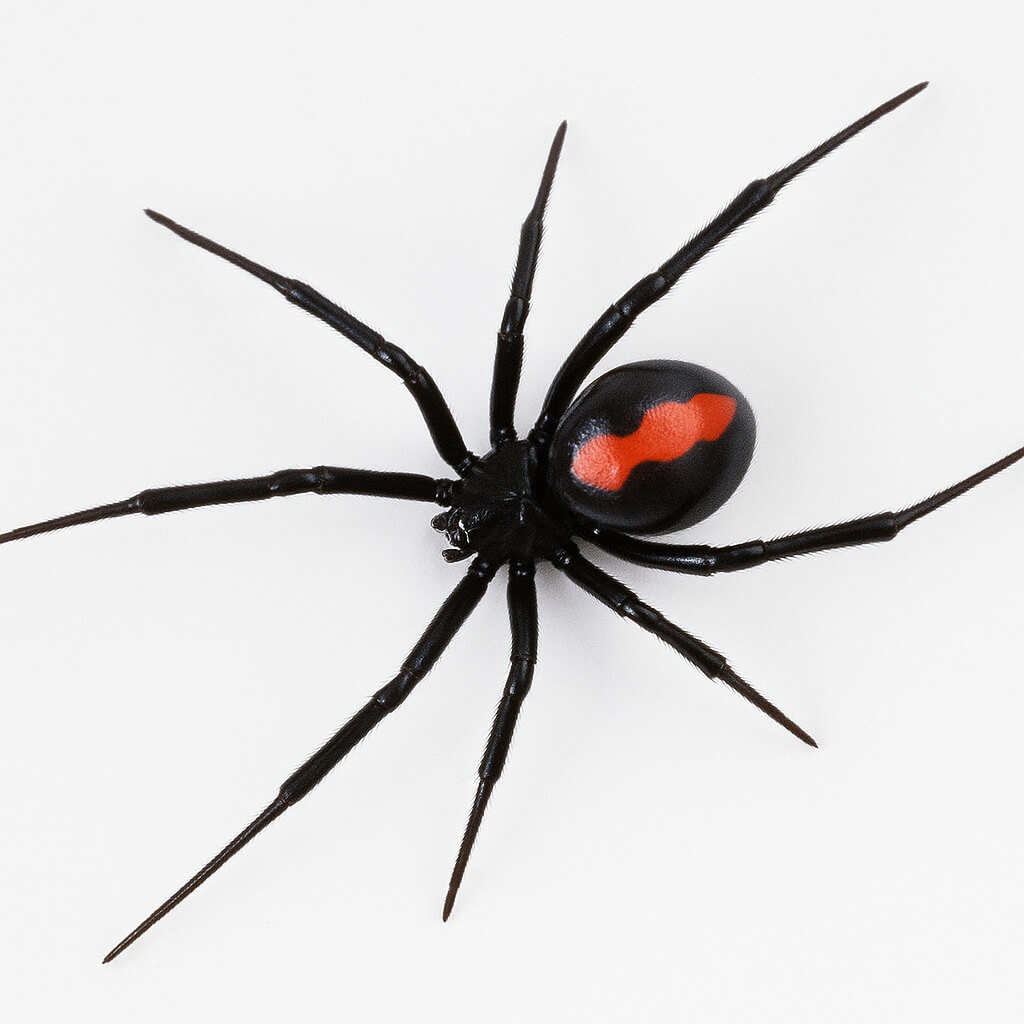
Redback Spider
(Latrodectus hasselti)
- Appearance: Black with a distinctive red stripe on the abdomen.
- Habitat: Warm, dry locations such as sheds, garages, and mailboxes.
- Web: Irregular, tangled web.
- Danger Level: Venomous; bites can cause serious illness, especially in children.
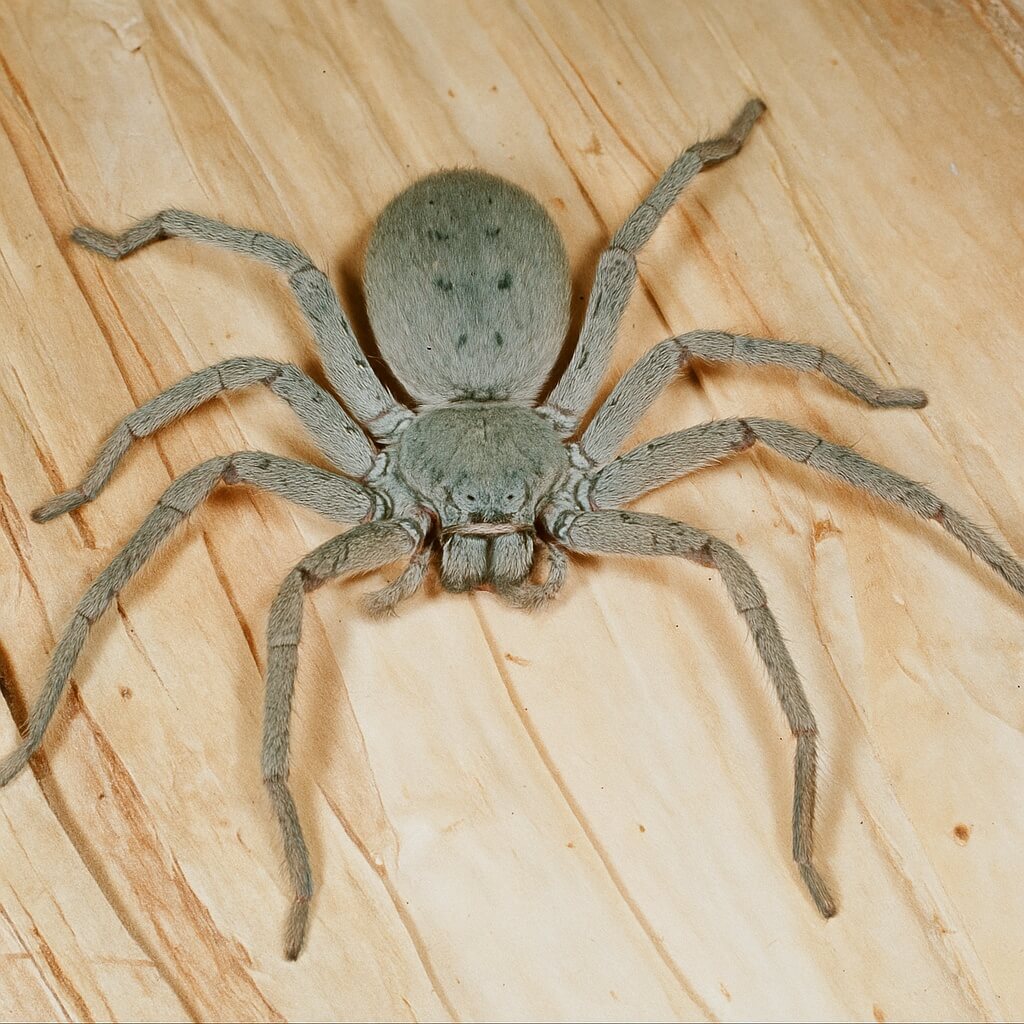
Huntsman Spider
(Family: Sparassidae)
- Appearance: Large, brown, and hairy with long legs.
- Habitat: Under bark, rocks, and inside homes.
- Web: Does not build a web; hunts for prey.
- Danger Level: Non-venomous; generally harmless but can cause a fright.
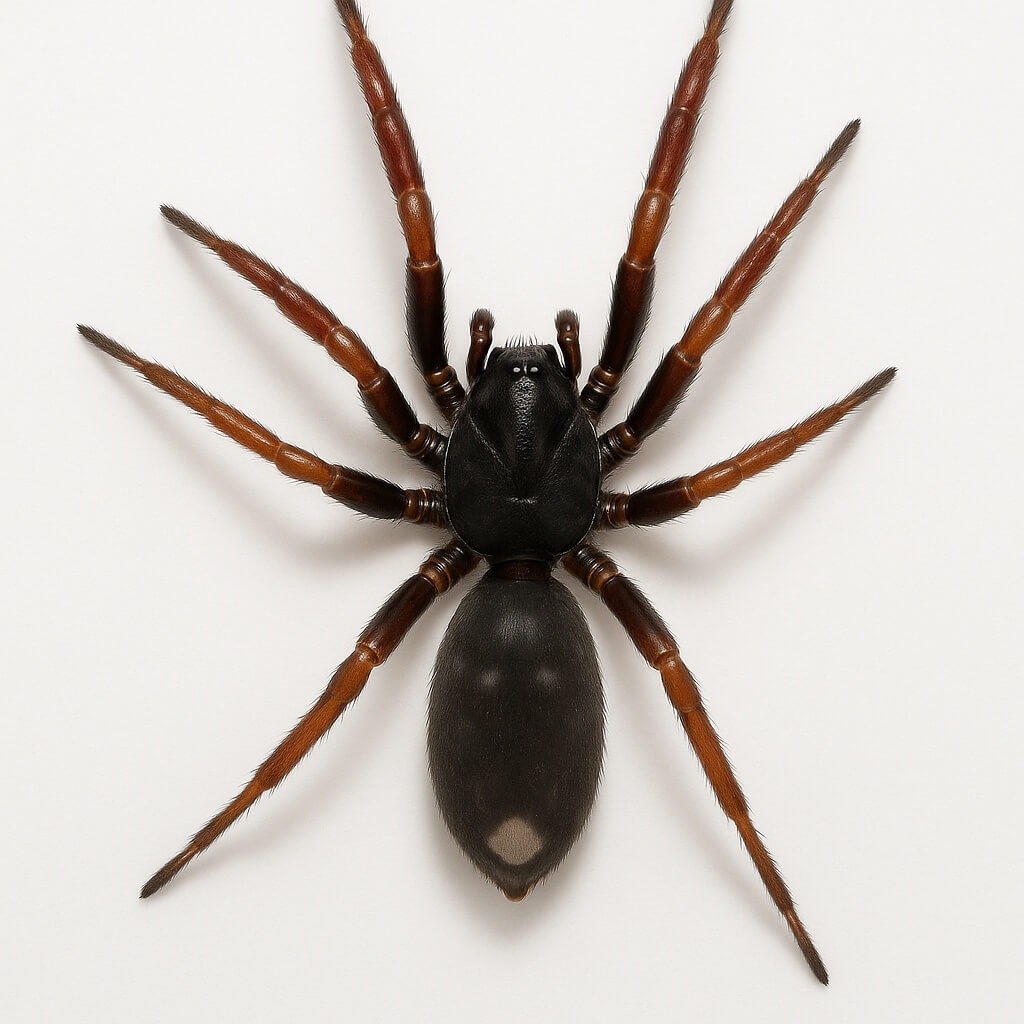
White-Tailed Spider
(Lampona cylindrata)
- Appearance: Dark reddish to grey, with a white tip on the tail.
- Habitat: Inside homes, especially in bedding and clothing.
- Web: Does not build a web; hunts for prey.
- Danger Level: Can cause bacterial infection and skin irritation.
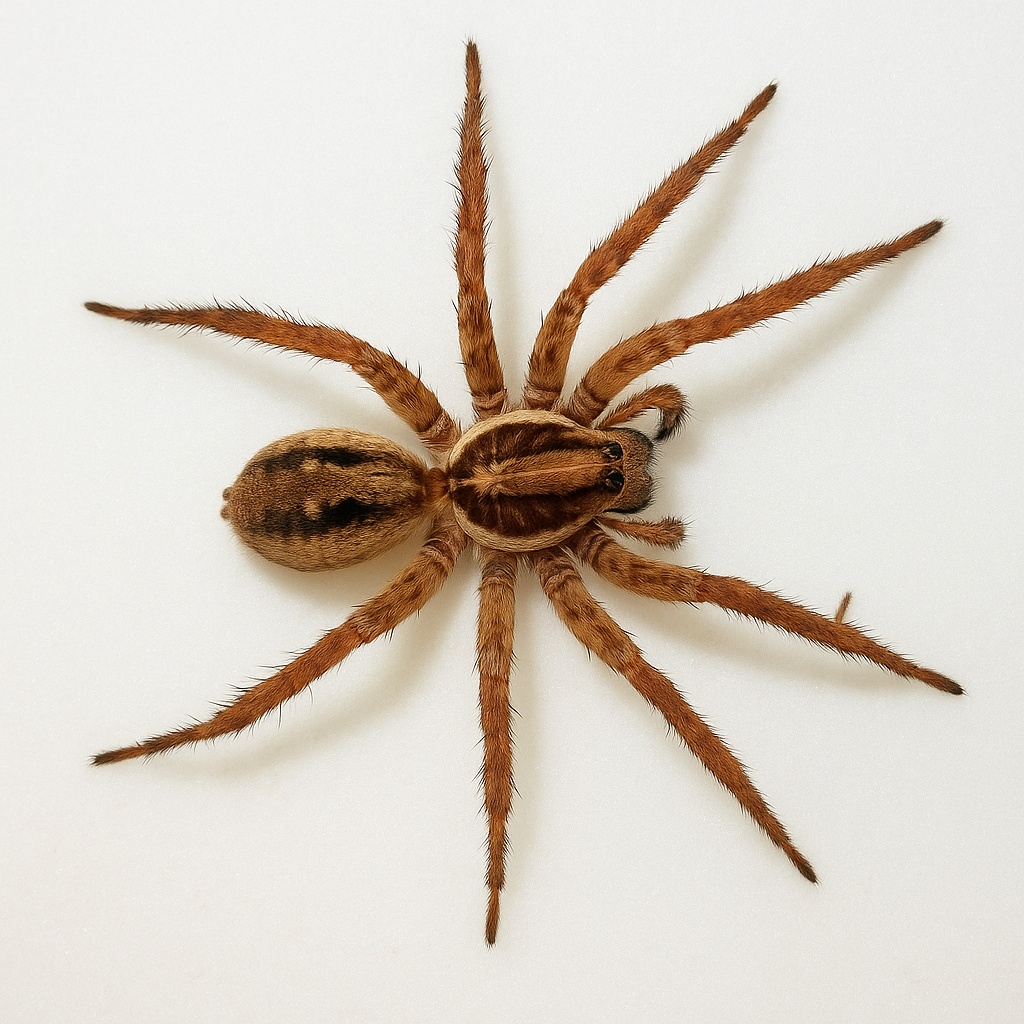
Wolf Spider
(Family: Lycosidae)
- Appearance: Large, hairy, and often grey with a distinct eye arrangement.
- Habitat: Burrows in soil or leaf litter.
- Web: Does not build a web; hunts for prey.
- Danger Level: Non-venomous; bites cause mild discomfort.
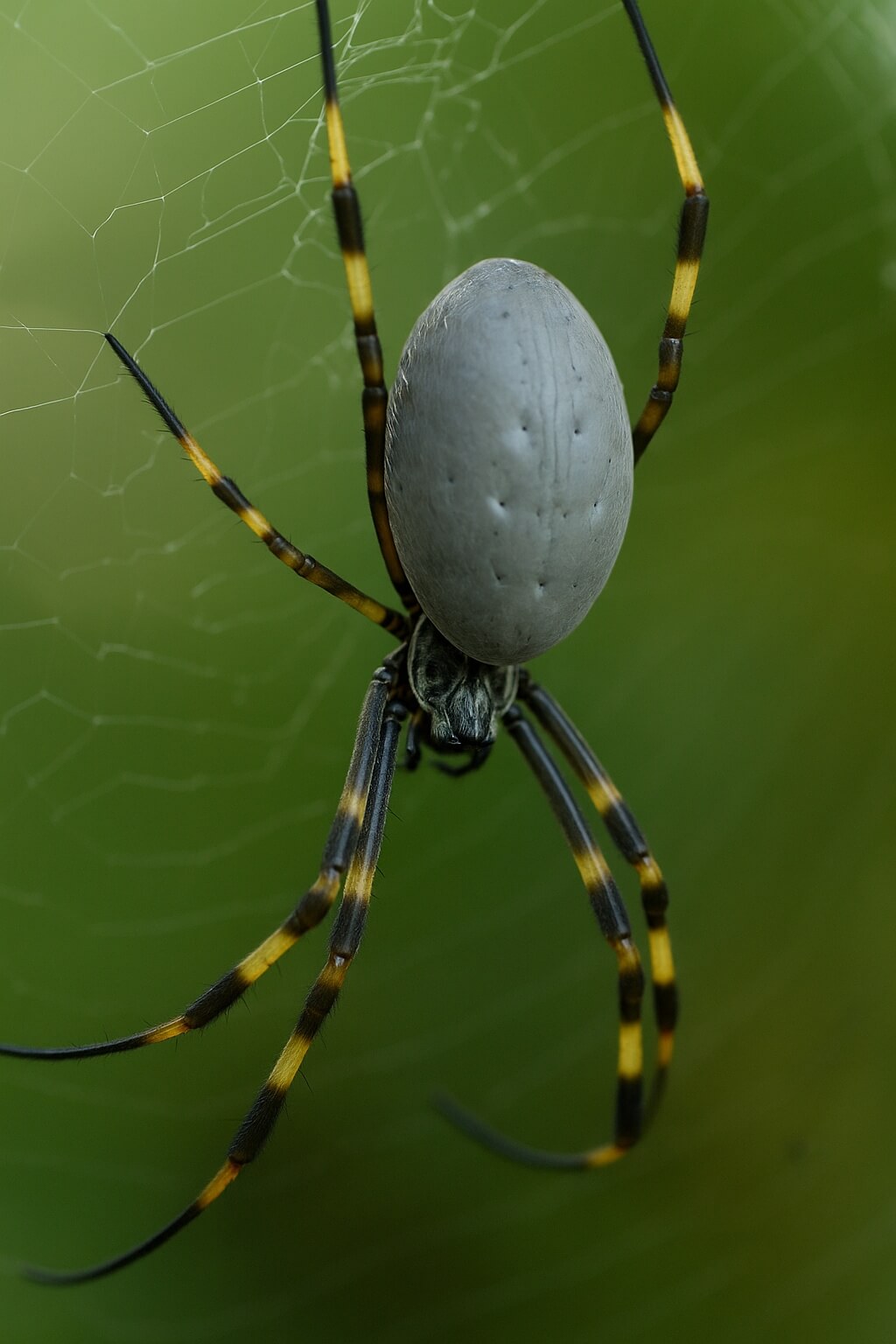
Golden Orb-Weaving Spider
(Eriophora transmarina)
- Appearance: Varied colors, often with a distinctive web pattern.
- Habitat: Gardens and bushes.
- Web: Large, circular, wheel-shaped web.
- Danger Level: Non-venomous; helpful for controlling garden pests.
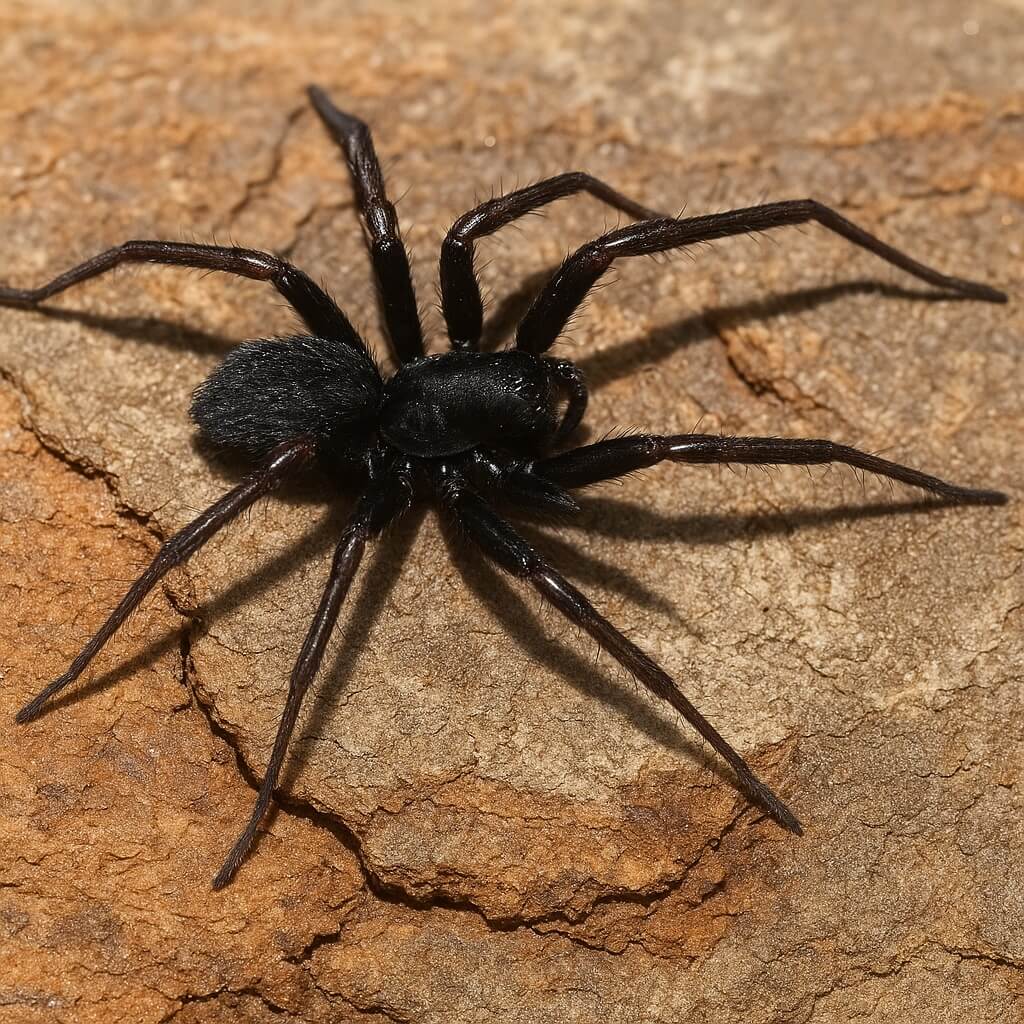
Black House Spider
(Badumna insignis)
- Appearance: Dark brown to black, with a robust, velvety body.
- Habitat: Eaves, window frames, and other structures.
- Web: Funnel-shaped web with a retreat hole.
- Danger Level: Mildly venomous; bites can cause localised pain and swelling.
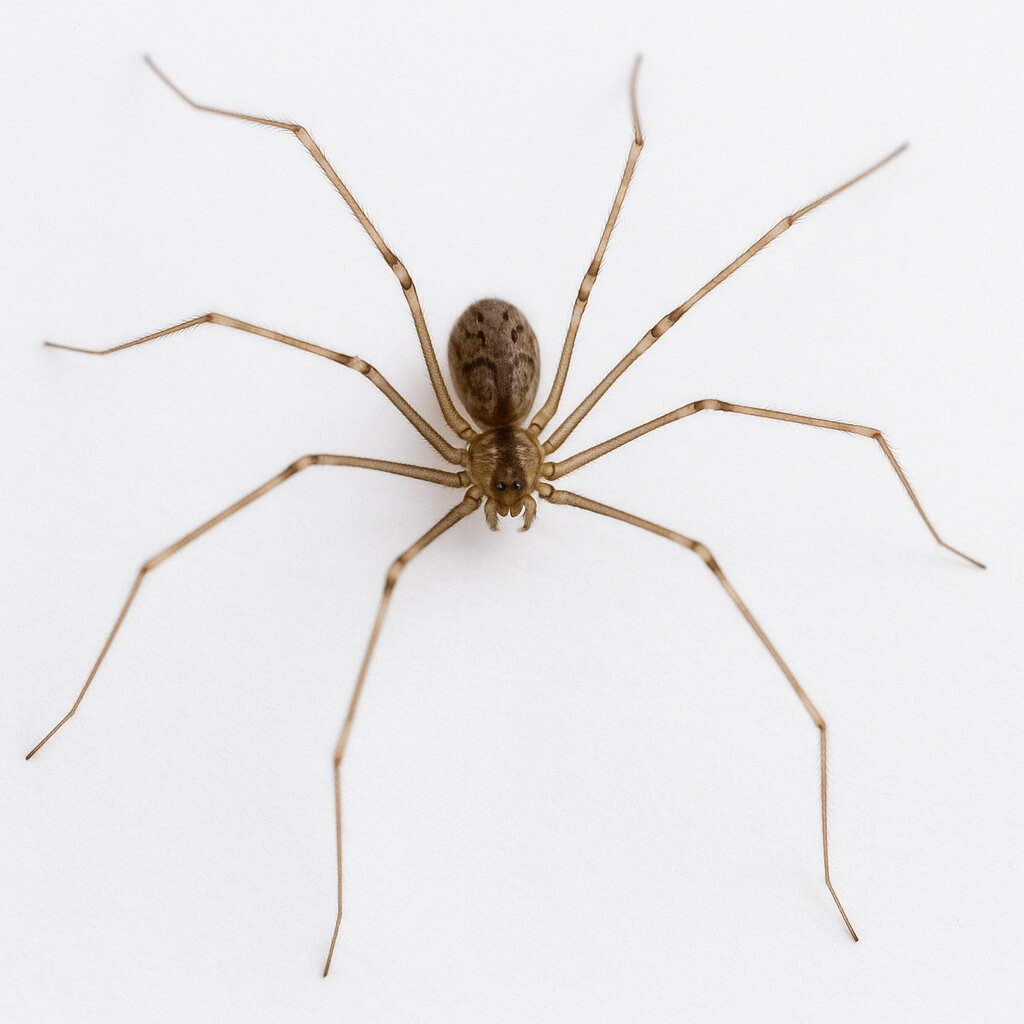
Daddy Long-Legs Spider
(Pholcus phalangioides)
- Appearance: Small body with long, thin legs.
- Habitat: Dark, damp areas like corners in bathrooms.
- Web: Irregular, tangled web.
- Danger Level: Non-venomous; harmless to humans.
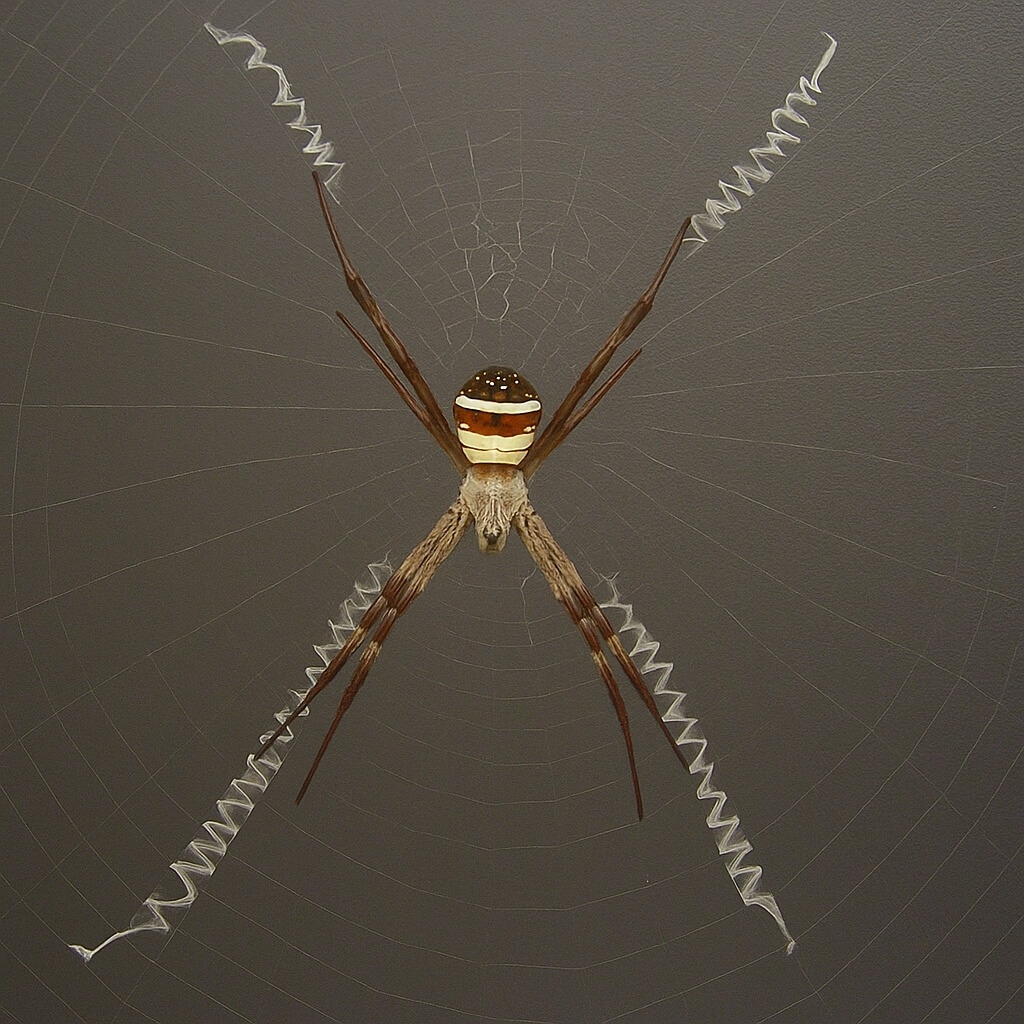
St Andrew's Cross Spider
(Argiope keyserlingi)
- Appearance: Silver, yellow, and black markings with a cross pattern on the web.
- Habitat: Gardens and bushes.
- Web: Large, orb-shaped web with a distinct cross pattern.
- Danger Level: Non-venomous; beneficial for controlling garden pests.
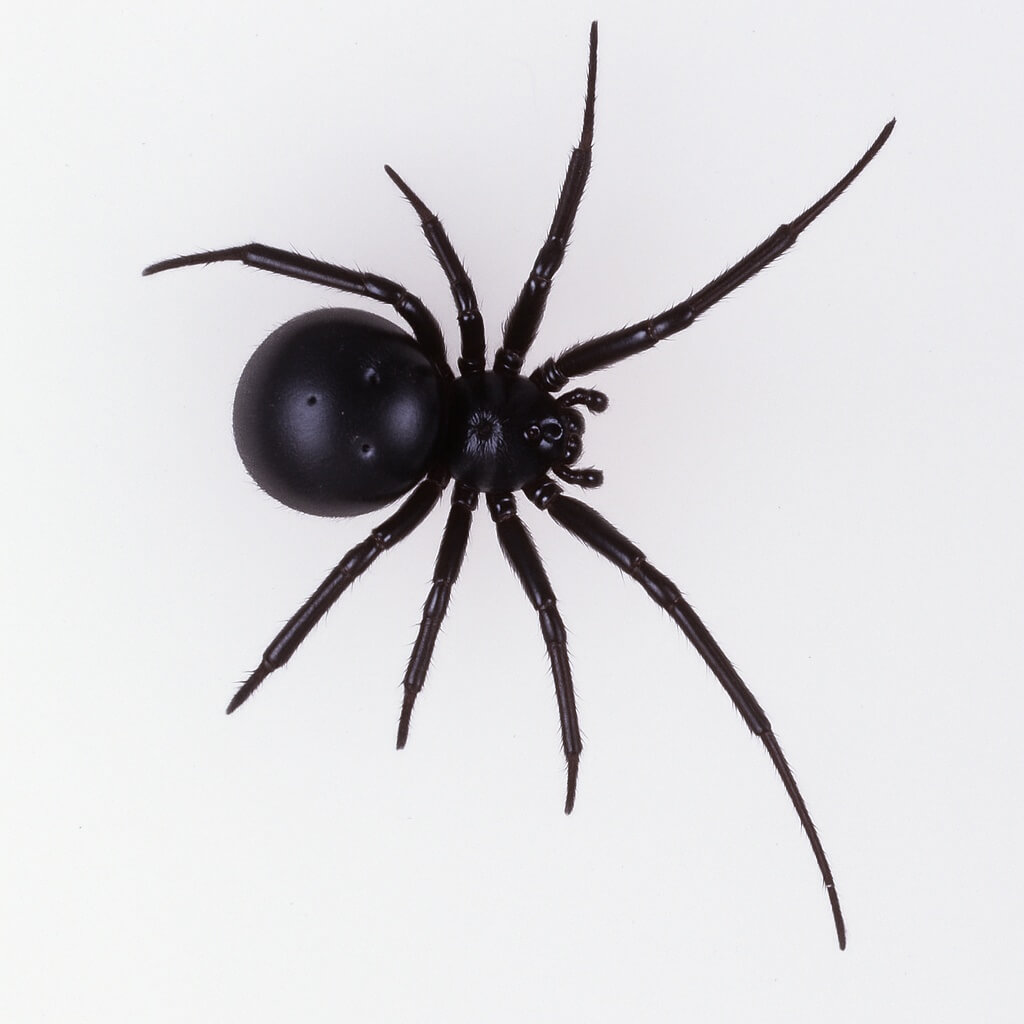
Brown House Spider (Cupboard Spider)
(Steatoda grossa)
- Appearance: Dark brown or black, sometimes with a faint pattern on the abdomen.
- Habitat: Dark corners, garages, and sheds.
- Web: Irregular, tangled web.
- Danger Level: Mildly venomous; bites can cause localised pain and swelling.
Our Approach to Spider Management
Thorough Inspection
We conduct a detailed inspection to identify spider species and infestation levels. Finding the web is easy, but finding the nest is key to stopping the cycle.
Safe Treatments
Using eco-friendly products, we eliminate spiders without risking the health of your pets or family. We focus on cracks, crevices, and roof voids.
When to Call
If you spot dangerous species like Redbacks, or if you notice recurrent infestations despite your own cleaning efforts, it is time for professional intervention.
Spider Prevention Checklist
✓ Seal cracks around windows and doors. ✓ Regularly vacuum webs and egg sacs. ✓ Reduce clutter in sheds and garages. ✓ Trim bushes away from the home's exterior.
Full Prevention Guide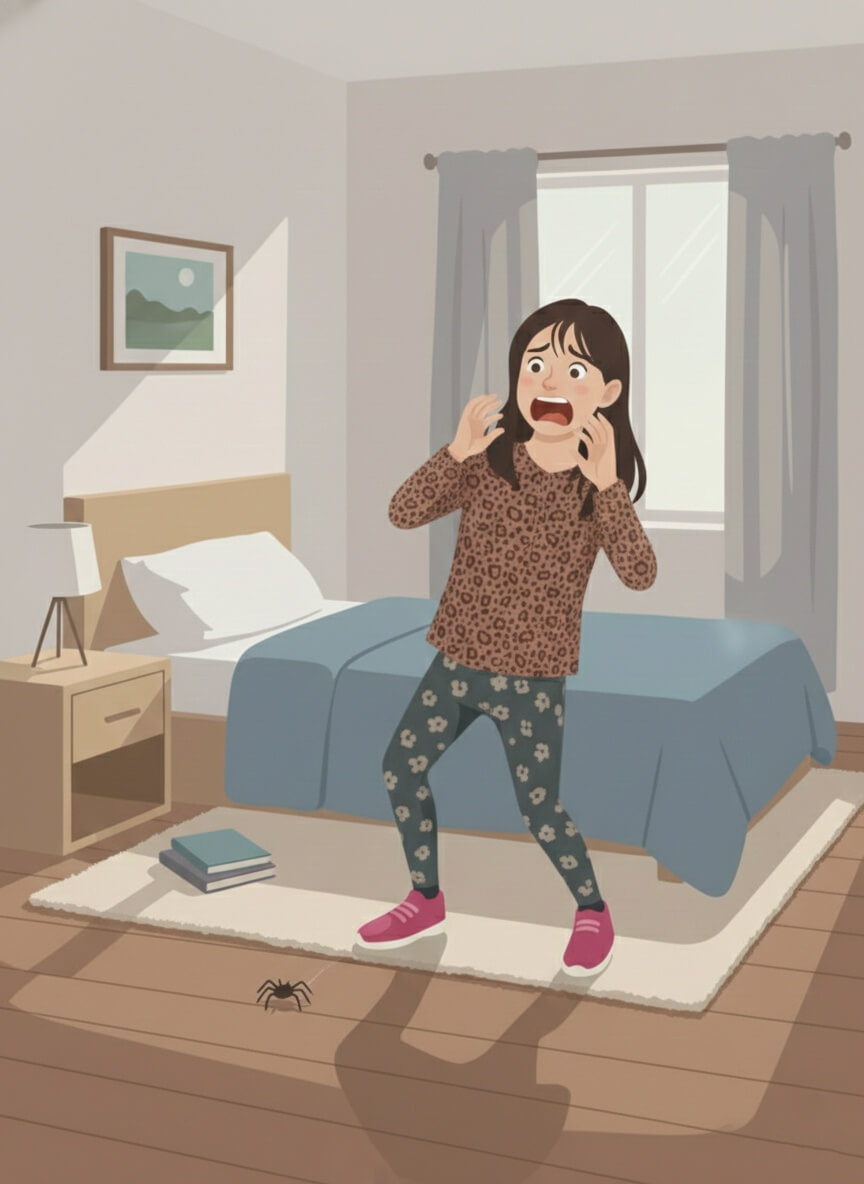
FAQs on Spiders
What attracts spiders to my home?
Spiders are drawn to homes with abundant food sources (other insects) and shelter. Reducing clutter, sealing cracks, and controlling other pests can make your home less attractive to spiders.
Are all spiders in Victoria dangerous?
While not all spiders are harmful, species like the Redback and White-tailed spiders can pose health risks. It's important to exercise caution and consider professional removal.
Can I handle spider control myself?
For minor issues, DIY methods may help. However, dealing with venomous or large infestations is safer and more effective with professional services.
How often should I have my home treated?
This depends on your area's spider activity. Generally, once a year (usually in Spring/Summer) is sufficient for most Victorian properties.
Need Professional Help?
Contact our spider control experts for a comprehensive inspection and customized spider management solutions.
Contact Us Now