Effective Ant Control for Victorian Homes
Practical solutions to identify, eliminate, and prevent ant pests in Melbourne and surrounding regions.
How Ants Invade Your Space
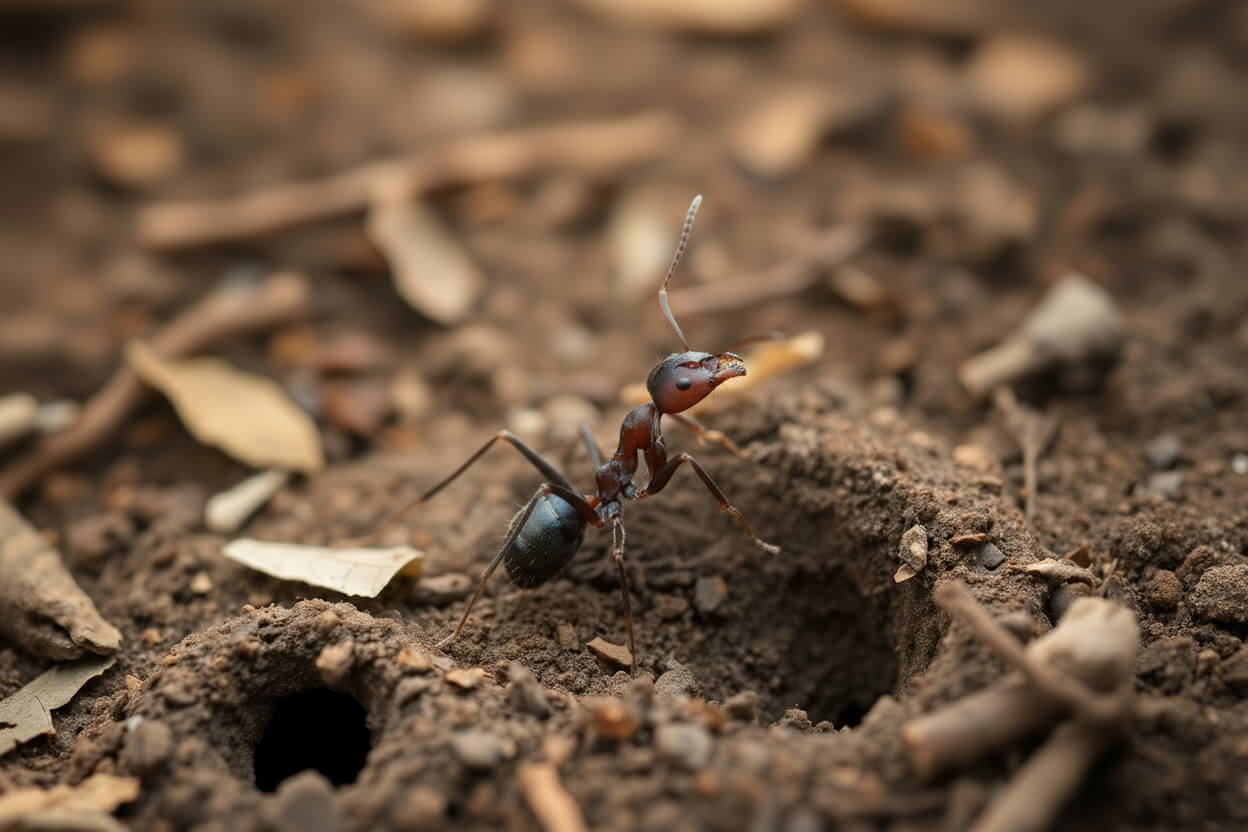
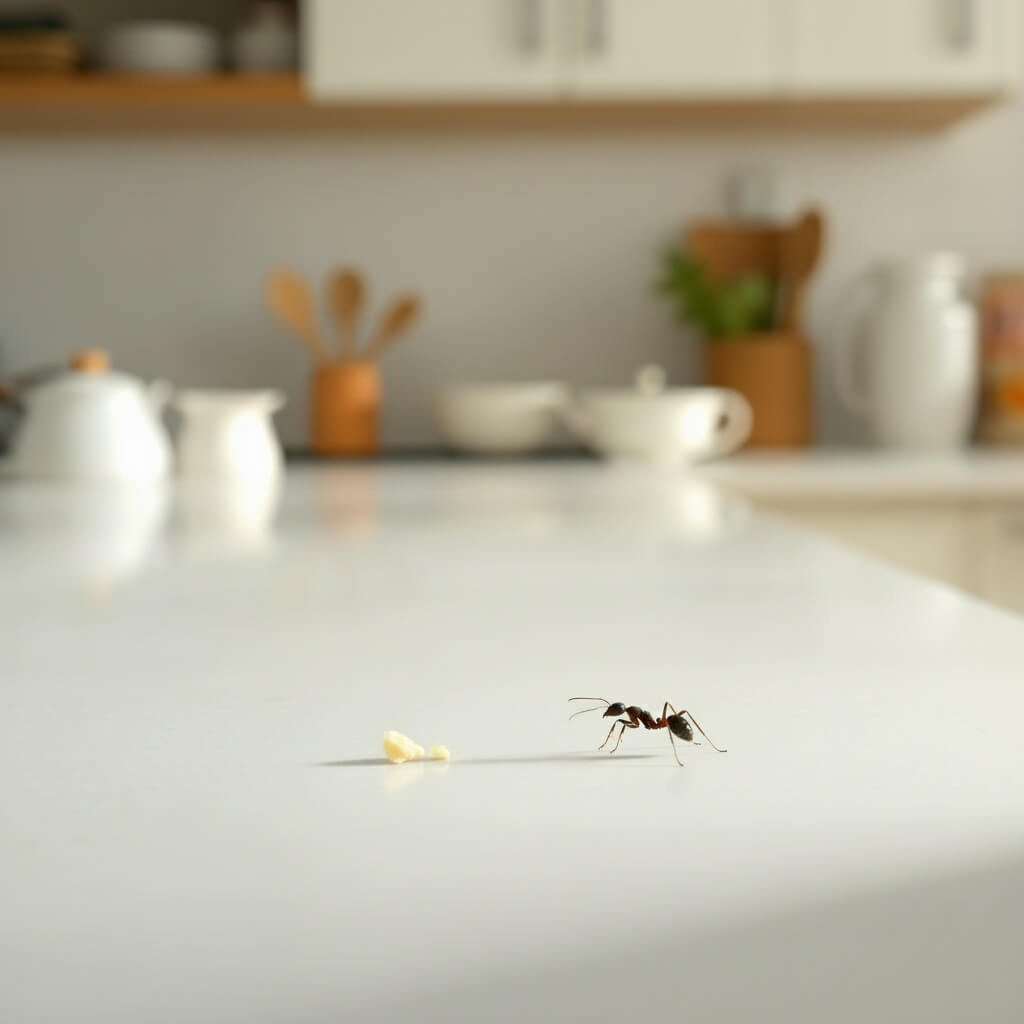
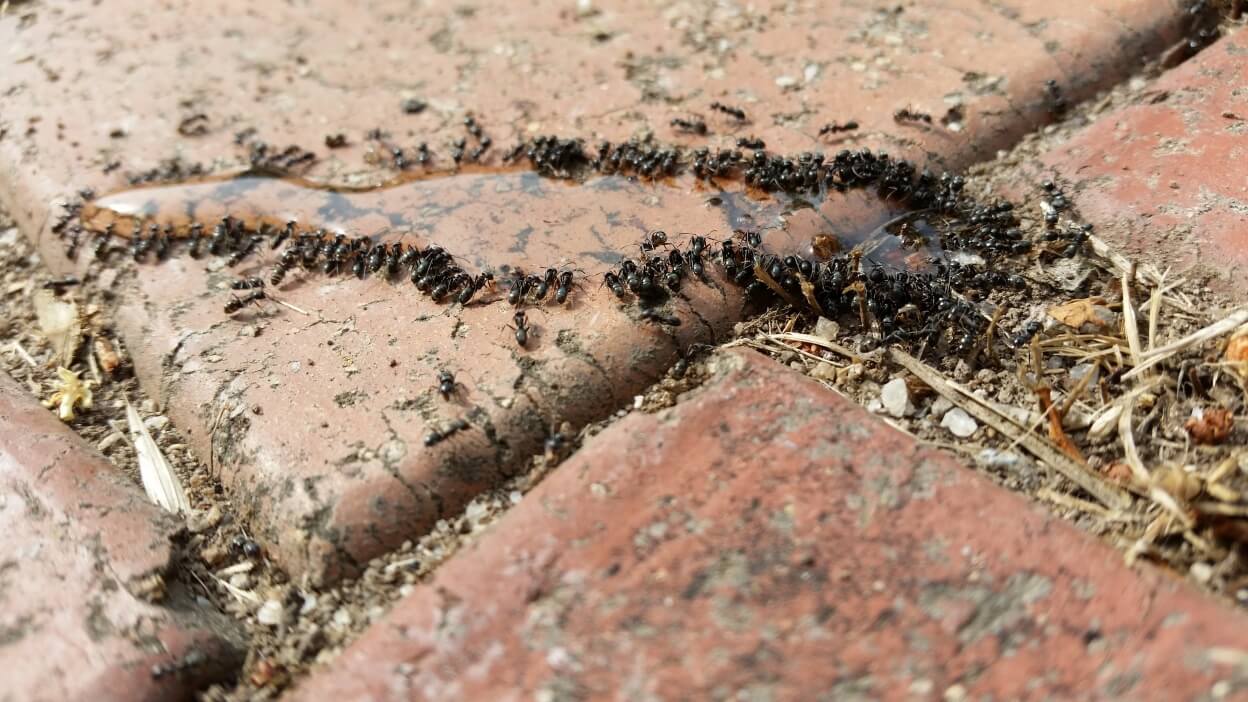
Ants are tireless foragers. Tiny gaps around doors, windows, or pipes become easy entry points as they hunt for food and moisture. Once a scout finds a source, they lay a pheromone trail, and suddenly you have hundreds of unwanted guests.
DIY vs Professional Support
Supermarket sprays often only kill the ants you see, not the colony. In fact, some species (like Pharaoh Ants) will split their colony ("budding") if sprayed, making the problem worse. Our technicians identify the species and use targeted baits that are taken back to the nest to eliminate the queen.
Speak to an ExpertCommon Ant Species in Victoria
Victoria is home to many native and introduced ant species. Identifying the correct species is critical, as some require specialized baits while others need direct nest treatment.
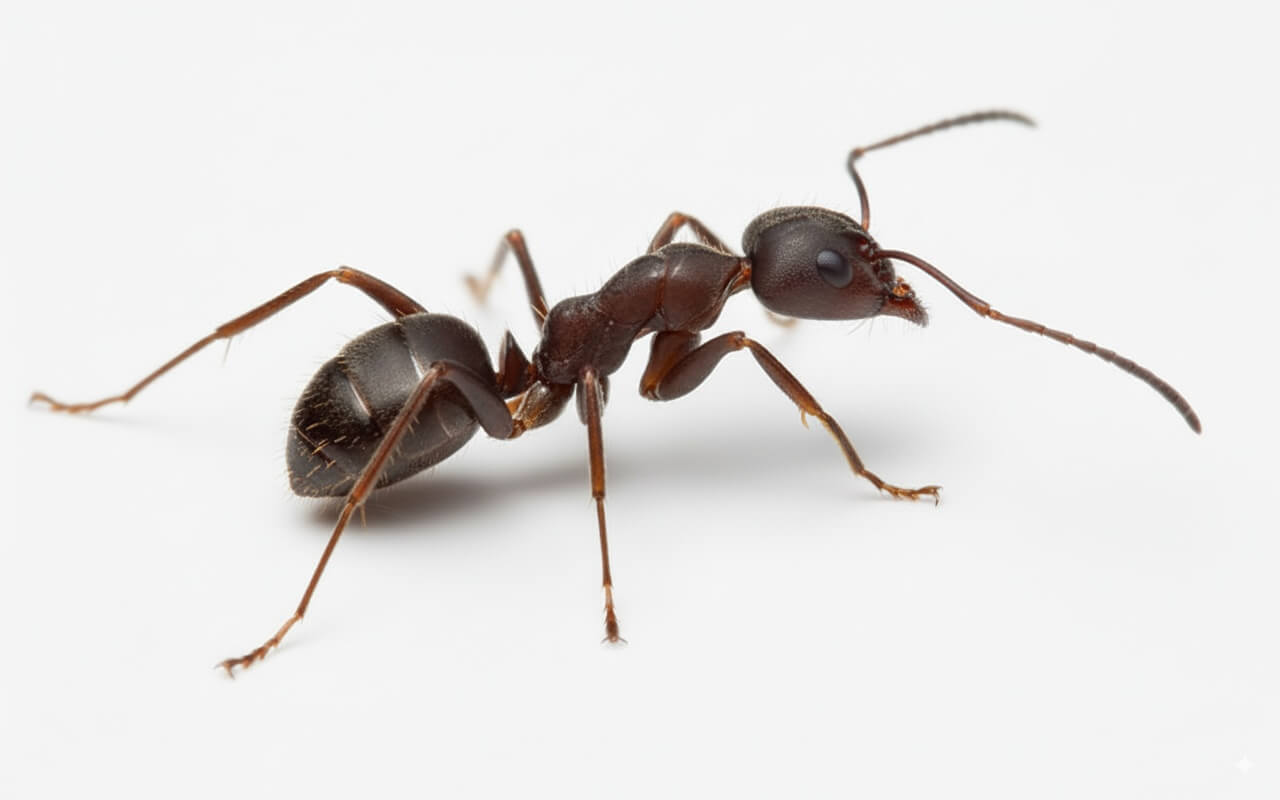
Argentine Ant
(Linepithema humile)
- Appearance: Small, light to dark brown ants.
- Habitat: Prefers moist environments; often found in large trails.
- Behavior: Aggressive towards other insects; forms massive super-colonies.
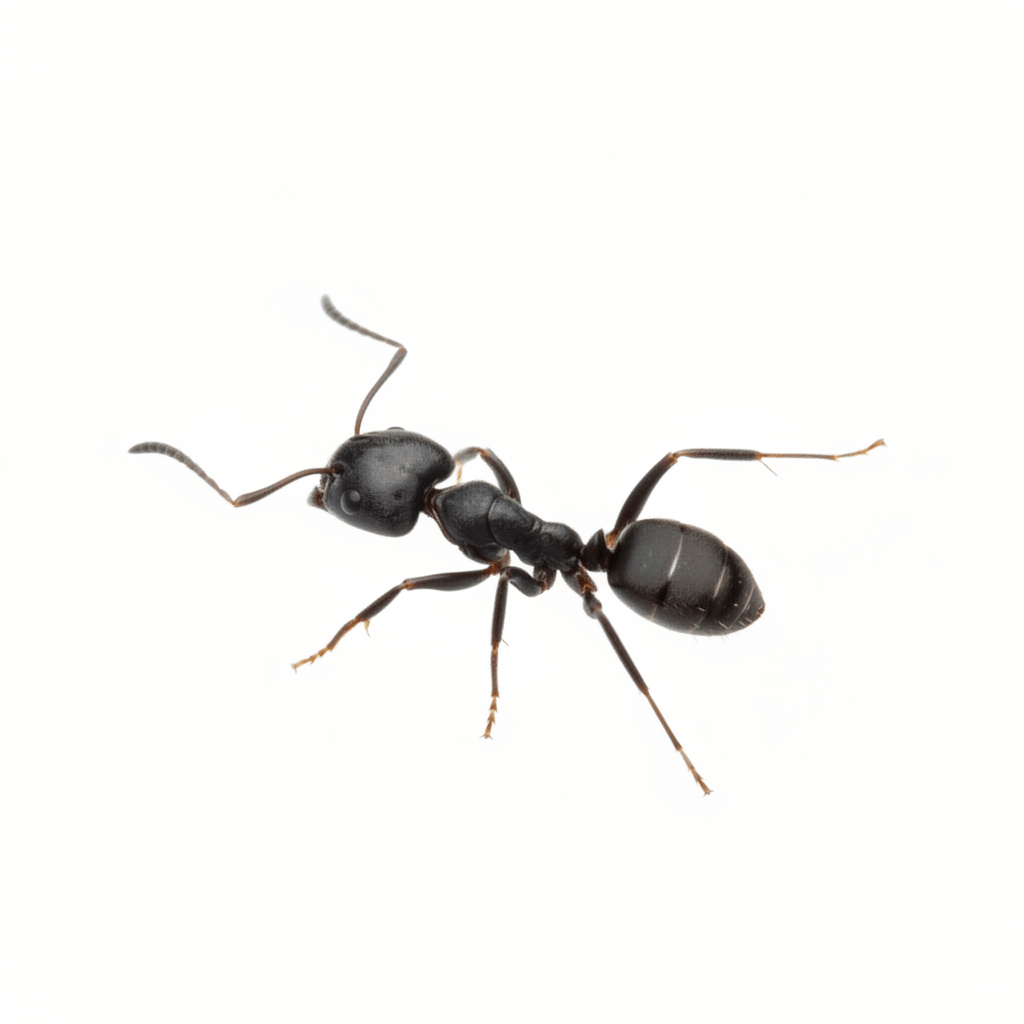
Black House Ant
(Ochetellus glaber)
- Appearance: Small, shiny black body.
- Habitat: Nests in wall cavities, roof voids, and gardens.
- Behavior: Attracted to sweet substances; the most common indoor pest in Victoria.
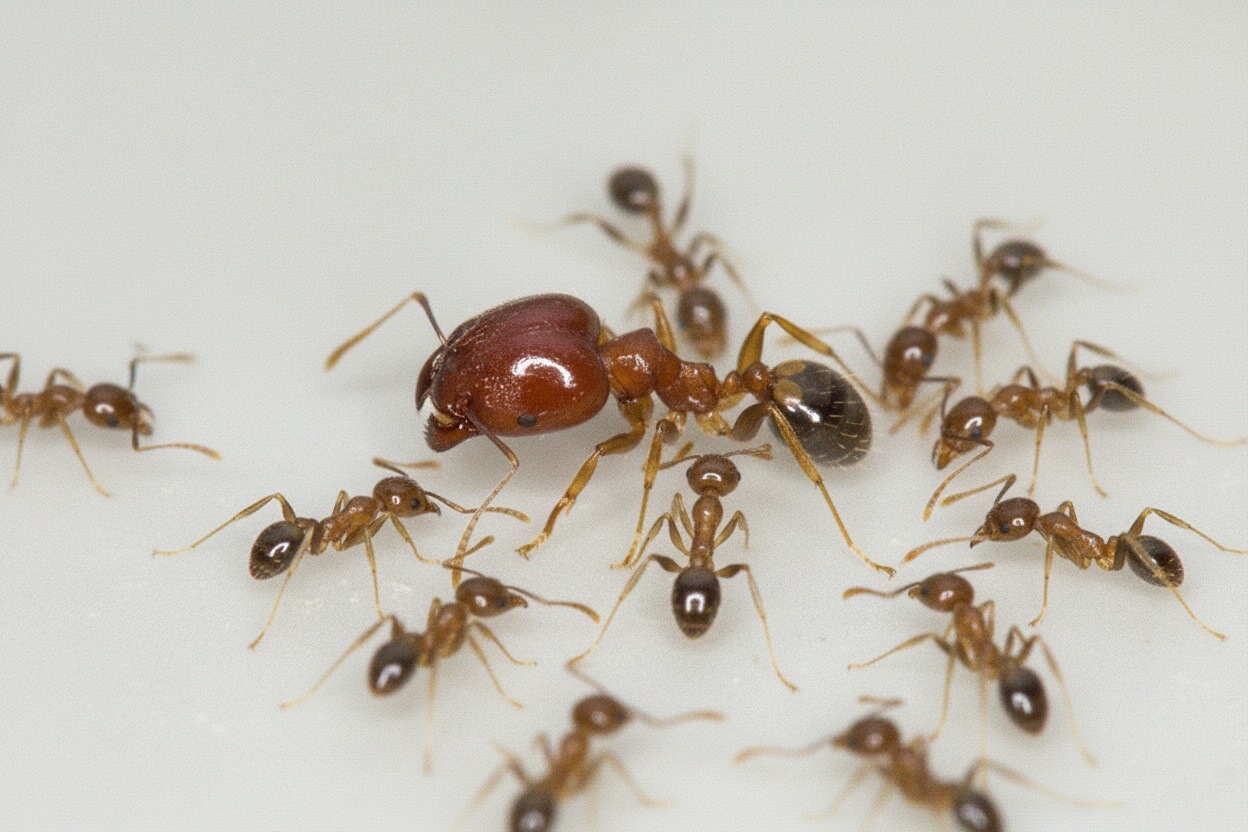
Coastal Brown Ant
(Pheidole megacephala)
- Appearance: Golden-brown; has "major" (big head) and "minor" workers.
- Habitat: Nests in soil, under pavers, and within walls.
- Behavior: excavates soil, often destabilizing brick paving.
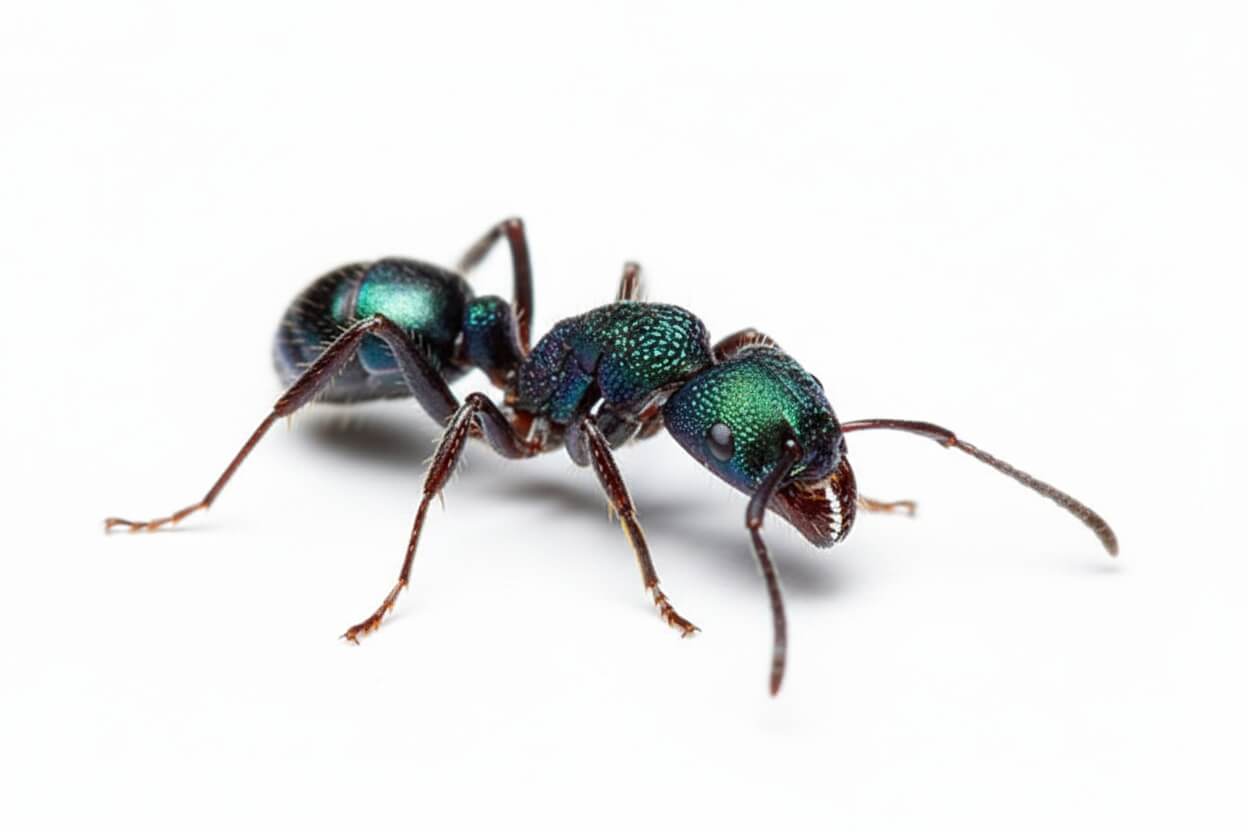
Green Head Ant
(Rhytidoponera metallica)
- Appearance: Metallic green-blue sheen; medium-sized.
- Habitat: Lawns, gardens, and urban parks.
- Behavior: Can deliver a painful sting that may cause allergic reactions.
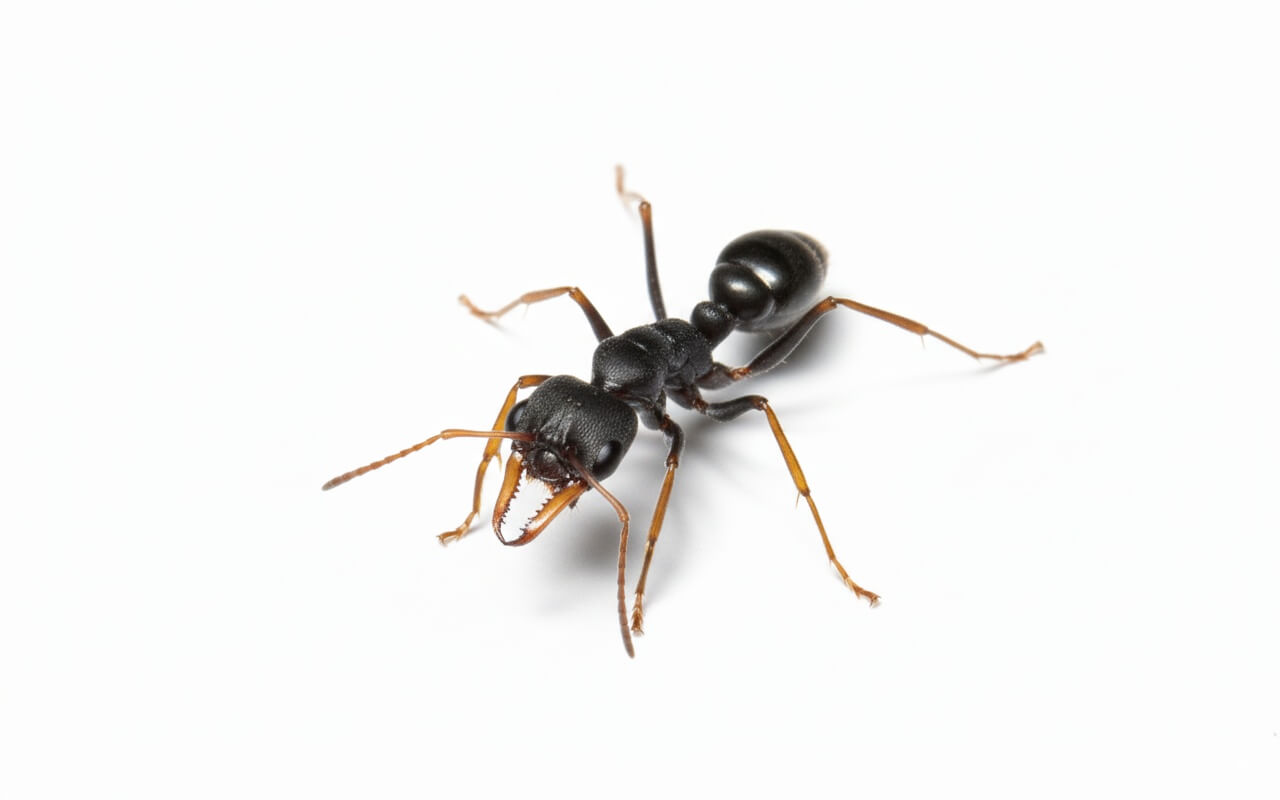
Jack Jumper Ant
(Myrmecia pilosula)
- Appearance: Large, black/orange ants with long jaws.
- Habitat: Bushland areas and rural properties.
- Behavior: Highly aggressive; jumps towards threats. Sting is dangerous.
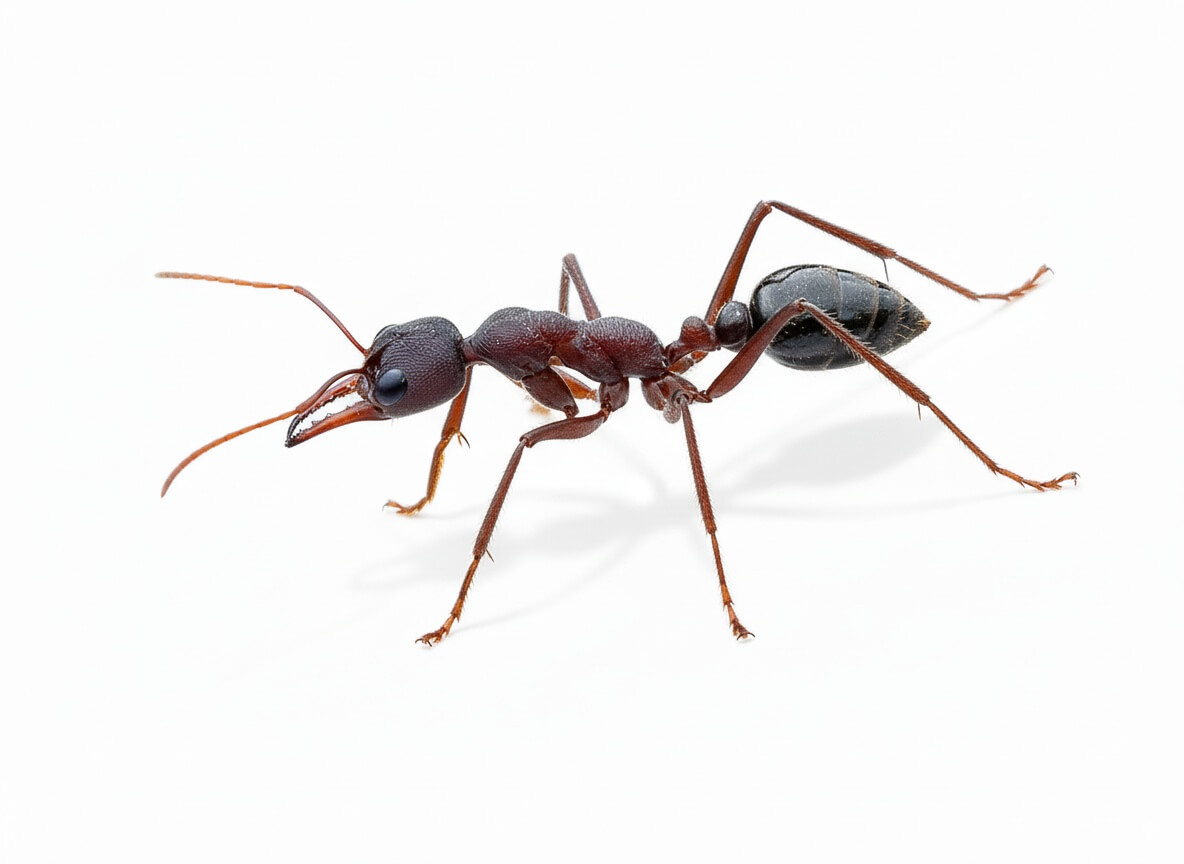
Bull Ant
(Myrmecia gulosa)
- Appearance: Very large (up to 40mm), red/orange body.
- Habitat: Forests and woodlands; nests in soil mounds.
- Behavior: Intensely painful sting; aggressive if nest is disturbed.
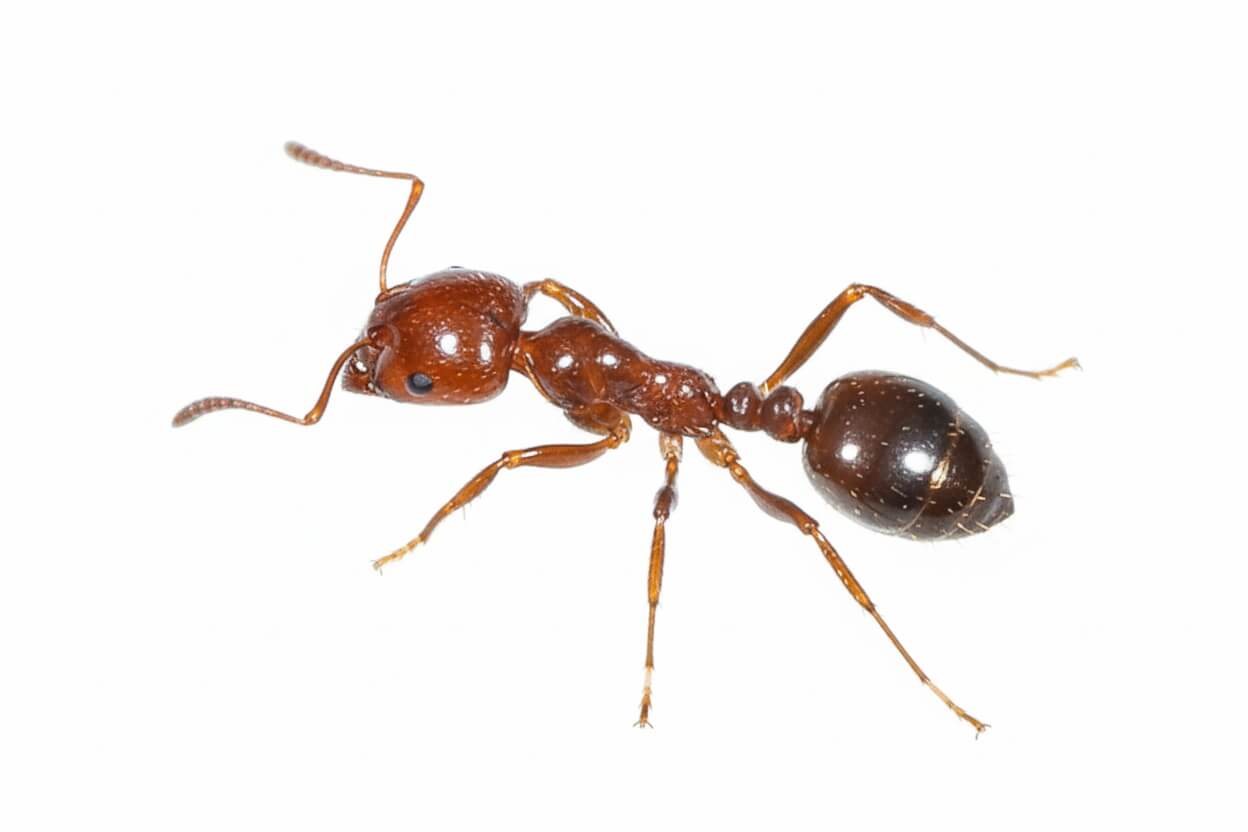
Red Imported Fire Ant
(Solenopsis invicta)
- Status: Exotic pest; NOT widespread in Vic.
- Risk: Severe biological threat. Stings form blisters.
- Action: Report immediately to Agriculture Victoria if suspected.
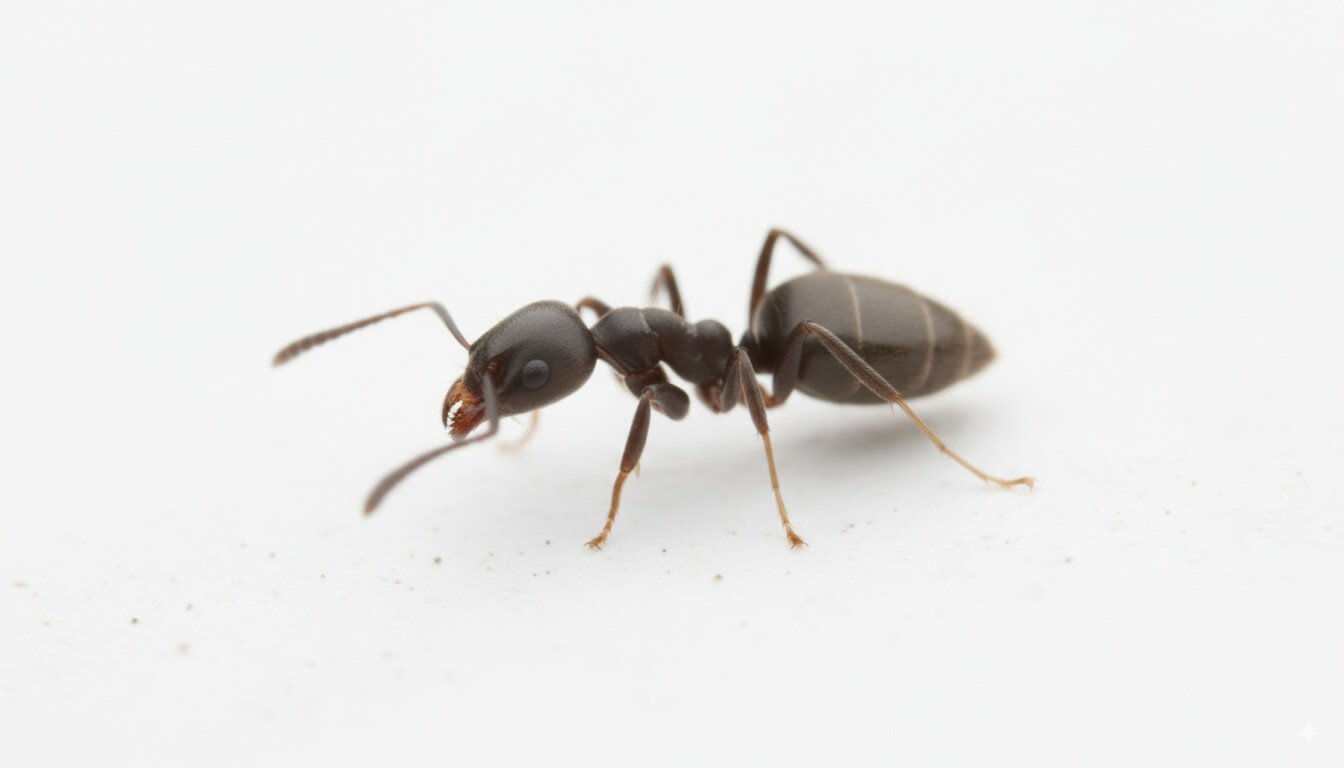
White-footed Ant
(Technomyrmex albipes)
- Appearance: Black body with distinct pale feet.
- Habitat: Arboreal; loves nesting in trees and roof voids.
- Behavior: Does not share food like other ants; requires special gel baits.
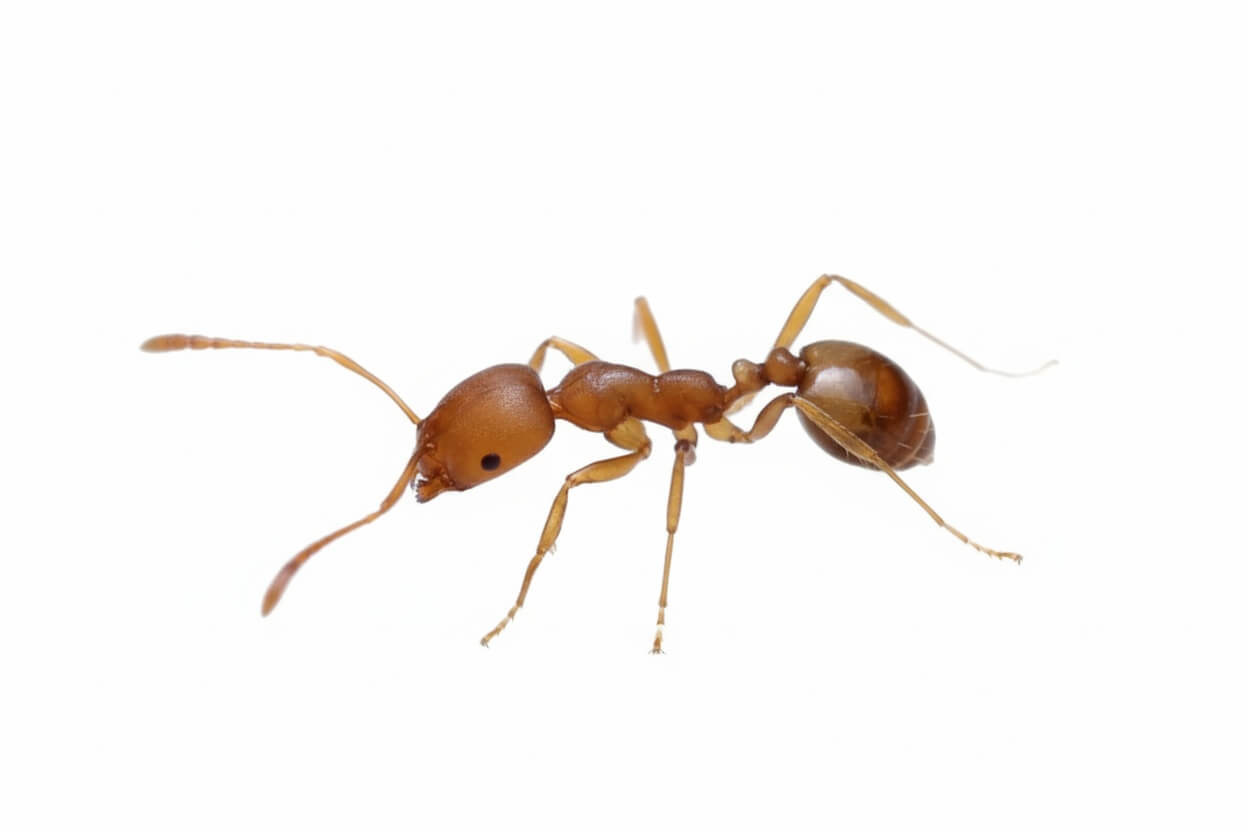
Pharaoh Ant
(Monomorium pharaonis)
- Appearance: Tiny, yellow/light brown.
- Habitat: Warm, humid areas (hospitals, heated buildings).
- Behavior: Splits colonies if sprayed. Baiting is the only effective method.
Why Professional Management is Vital
Spotting the Signs
Look for tiny, steady trails along skirting boards, windowsills, or exterior paving. Nest entrances often appear as small mounds of fine soil or "frass" (debris). Catching them early prevents them from establishing satellite nests.
Safe & Targeted
We prioritize the use of non-repellent sprays and palatable baits. The workers carry these slow-acting treatments back to the nest, feeding the larvae and the queen, which collapses the colony from the inside.
Long-Term Prevention
Ants return if the conditions are right. We advise on sealing entry points (silicone around pipes/doors) and reducing attractants like pet food left out or dripping taps in the garden.
Integrated Pest Management (IPM)
IPM isn't just about chemicals. It combines inspection, identification, and environmental modification. By removing the food source (sanitation) and blocking the entry (exclusion), we achieve sustainable results.
Learn About IPM
Prevention Checklist
✓ Wipe down kitchen surfaces daily. ✓ Keep bins sealed and empty frequently. ✓ Trim tree branches away from walls. ✓ Fix dripping taps (ants love moisture).
Download Full ChecklistFrequently Asked Questions
Are all ants in Victoria harmful?
Most are just nuisance pests. However, Bull Ants and Jack Jumpers can deliver painful, venomous stings that may cause anaphylaxis in allergic individuals.
Why do ants come inside in summer AND winter?
In summer, they are often searching for water or sugar. In winter (or heavy rain), they often move indoors to escape the waterlogged soil and seek warmth.
Is the treatment safe for my pets?
Yes. We use gels and baits placed in cracks or tamper-resistant stations. Sprays are applied to skirtings and exteriors; once dry, they are safe for pets and children.
Do I need to leave the house?
Usually, no. For general ant treatments, you can stay home. We just ask that you avoid touching treated areas until they are dry (usually 1-2 hours).
Stop the Ant Invasion
From kitchen nuisance to garden pests, our Melbourne experts have the solution. Contact us today for a free quote.
Contact Us Now